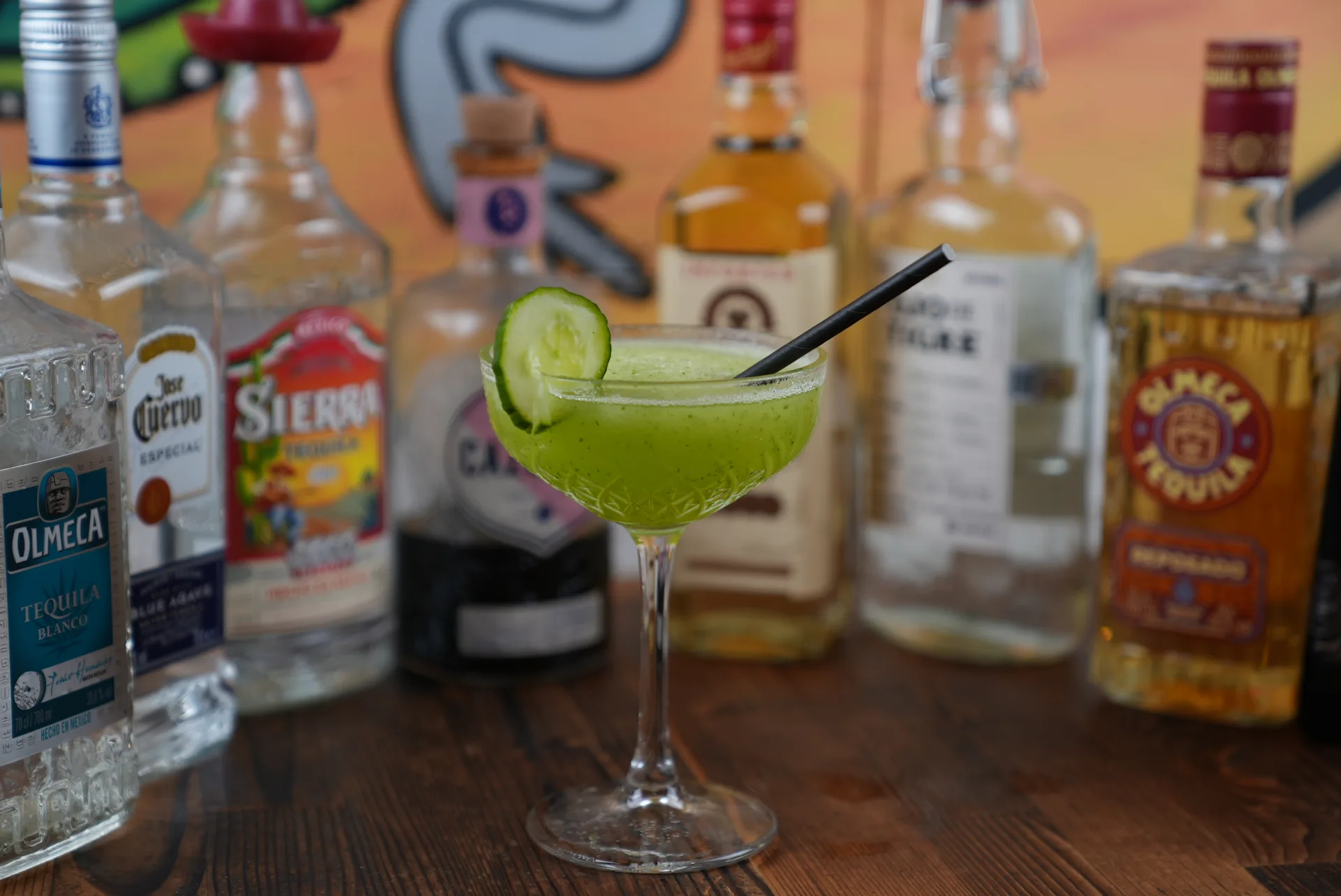
Tequila is the loud cousin at the family dinner. Mezcal is the quieter one in the corner with the better stories. They share the same plant, more or less, but the way each spirit is made — and where, and by whom — turns them into something almost unrelated by the time they reach the glass. At Frida Camden, the back bar leans heavily toward mezcal. Here's why.
Same plant, different lives
Both tequila and mezcal are made from agave. The legal distinction is geographical and procedural rather than botanical. Tequila is, by Mexican law, made almost exclusively from blue agave (Agave tequilana) and produced in Jalisco and four neighbouring states. Mezcal can be made from over thirty agave varieties and is produced across nine Mexican states, with most of it coming from Oaxaca.
The simple version: all tequila is technically mezcal, in the sense that mezcal is the older, broader category. Tequila is the specific, industrialised, blue-agave-only version that broke out internationally in the twentieth century. Mezcal is what nearly every Mexican village made before that.
How tequila gets made
Modern tequila production is largely industrial. Blue agave hearts (piñas) are harvested at around seven to ten years old. The piñas are steamed in stainless-steel autoclaves — clean, fast, repeatable. Once cooked, the agave is shredded, fermented and distilled, often in large copper-or-steel column stills.
The result is a clean, predictable spirit. Blanco tequila is bottled straight from the still. Reposado rests in oak for two to twelve months. Añejo ages one to three years; extra añejo, three years or longer. Each step adds oak character but also distance from the agave.
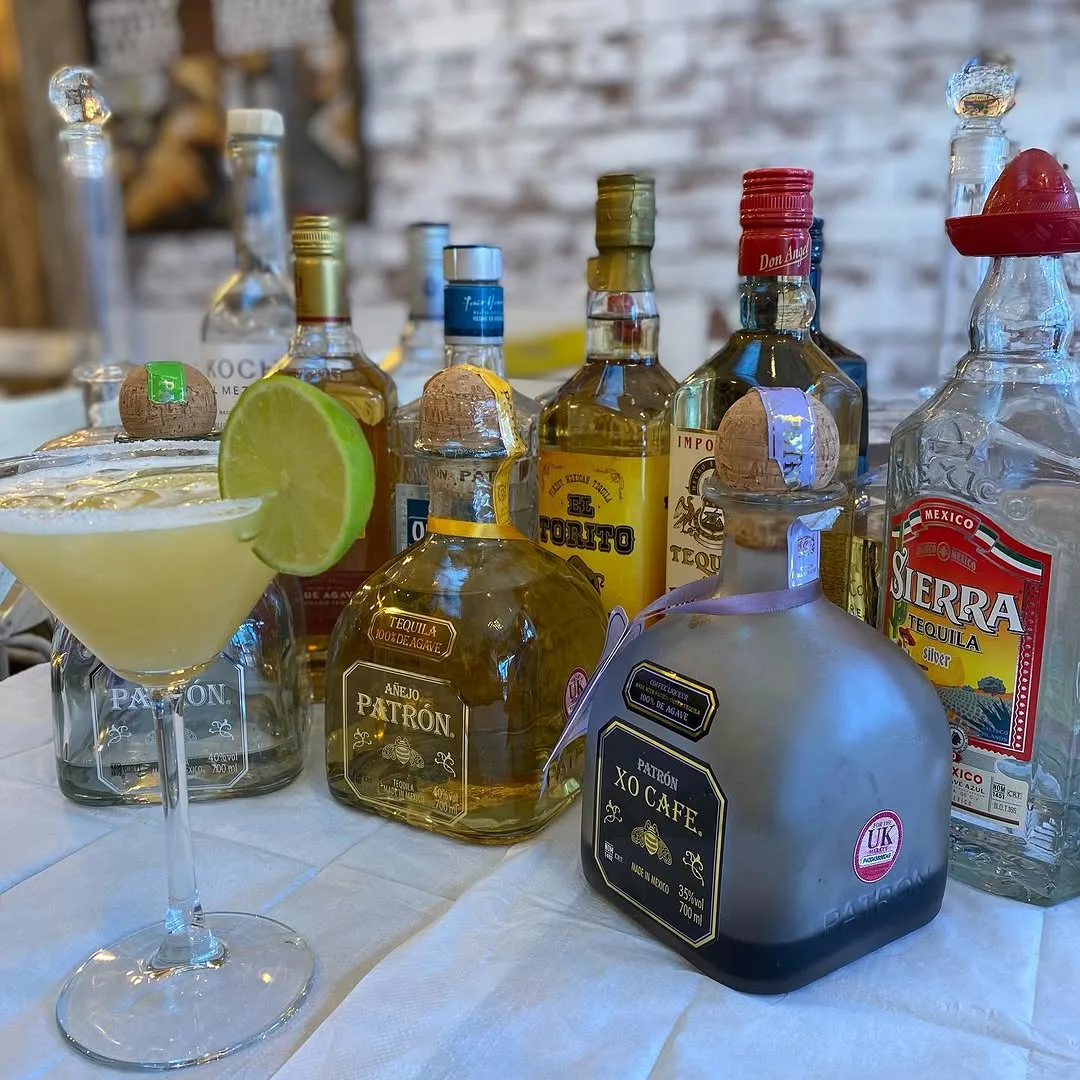
The biggest tequila brands are now part of multinational drinks groups. Diageo, Bacardi, Pernod Ricard. The volume is enormous; the quality is reliable; the personality is, on most bottles, modest.
How mezcal gets made
Mezcal hasn't industrialised — most of it, anyway. The process is unmistakable from a hundred metres away.
The piñas are roasted in pits dug into the ground, lined with volcanic stones, and covered with palm leaves and earth. They roast underground for three to five days. The heat is uneven, the smoke from the pit infuses the agave, and the result is a sugary, smoky, deeply caramelised heart that goes into a stone tahona (a wheel turned by a horse or, increasingly, an electric motor) to be crushed.
The crushed agave is fermented in open wooden vats, using whatever wild yeasts are around. Then it's distilled — often twice — in small copper or clay pot stills. Each batch is different. Each palenque (the producer's compound) makes spirit that tastes faintly of where it came from. The smoke is the headline note, but underneath there's earth, fruit, leather, sometimes salt.
The agave varieties make most of the difference
This is the part most drinkers don't know until someone shows them. There are dozens of mezcal-producing agave varieties, and they taste meaningfully different from each other.
Espadín is the workhorse — about 90% of all mezcal is made from it. Cultivated, fast-growing (relatively — six to eight years), the spine of the category. A good espadín is smoky, slightly sweet, and approachable. This is where everyone should start.
Tobalá is the small-batch favourite. Wild-harvested, twelve to fifteen years to mature, distinctly floral and complex. Ours sits in the £8-a-pour range when we have it, and it gets ordered slowly — usually after someone has tasted espadín and wants to climb.
Tepeztate is the rare one. Wild, twenty-plus years to mature, grassy and herbal in a way that throws first-timers. We don't always have it. When we do, we usually pour half-shots so people can taste it without the commitment.
Madrecuixe, arroqueño, jabalí — these are the deeper-cut varieties that show up on a few labels. Ask the bar; if we have something interesting that week, the bartender will offer it.
"Tequila is what a recipe asks for. Mezcal is what a person asks for."
How we serve it
Mezcal isn't a shooter. The salt-and-lime ritual is a tequila tradition (and arguably a tequila-cocktail tradition; in Mexico, even tequila is mostly drunk neat among people who care about it). Mezcal is sipped, slowly, at room temperature, in a small clay copita — usually about 30ml at a time. The clay matters: it dulls the alcohol's edge slightly and lets the smoke breathe.
The classic accompaniment is a slice of orange and a small dish of sal de gusano — salt mixed with ground roasted maguey worms (the worm gives it an earthy umami; trust us on this). Slice of orange between sips, lick of the salt, sip of mezcal. The orange brightens the smoke, the salt sharpens it, and the next sip lands cleaner.
For a first-time mezcal drinker, we recommend a flight: three half-shots, an espadín first, then a more complex variety, then the rarest one we have that week. Total cost about £14, total taste education considerable.
Mezcal in cocktails — when it works
Mezcal isn't always meant for sipping. There are mezcal cocktails that work very well.
The Mezcal Negroni swaps gin for mezcal in a classic Negroni. The smoke holds against the Campari and the vermouth. The drink is bitter and complex and almost difficult — in the way the original Negroni is difficult — but the smoke makes it more interesting than the gin version.
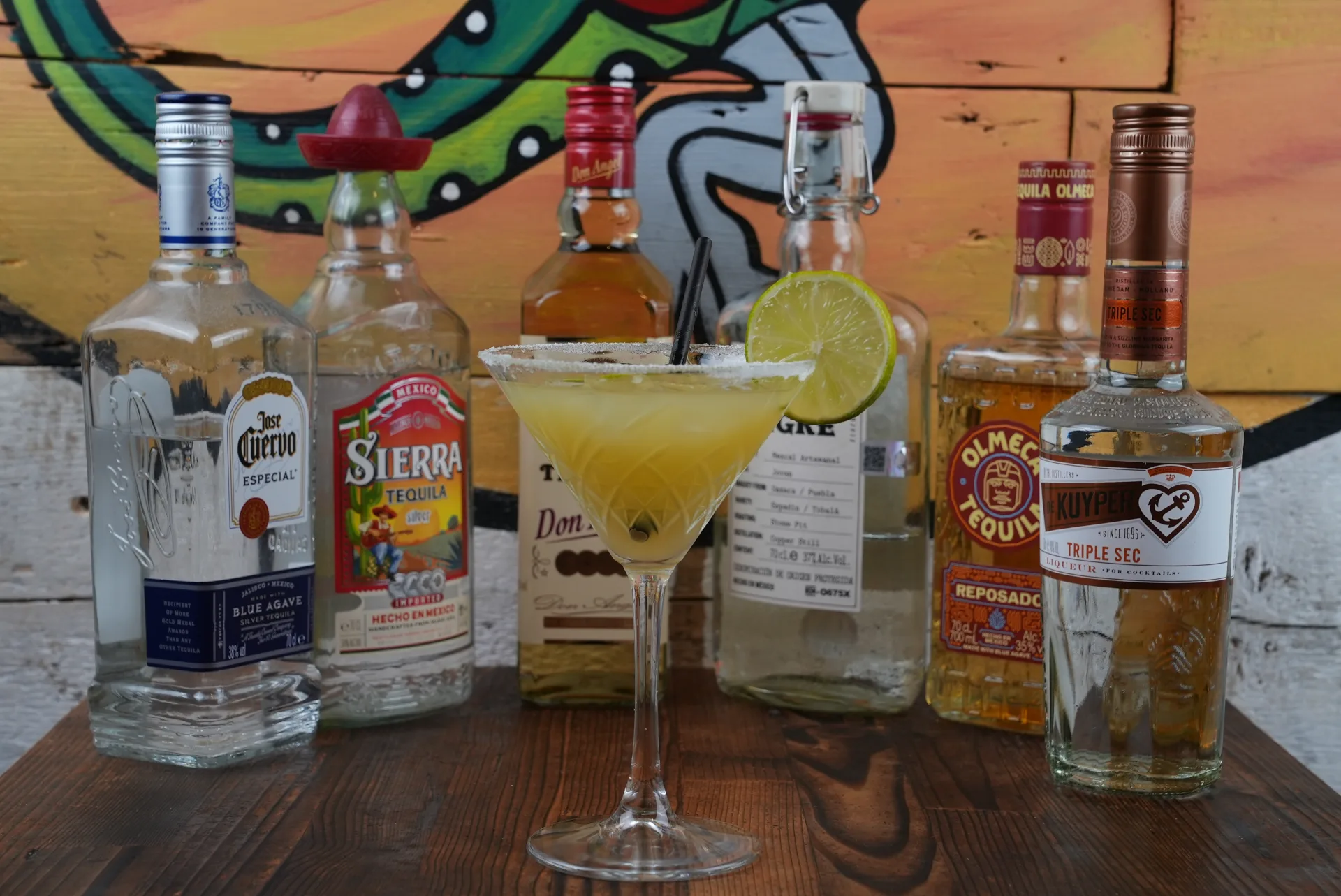
The Mezcal Margarita is the most-ordered crossover. Replace the tequila in our house margarita with espadín mezcal and the drink shifts: smokier, fuller, less bright. Some drinkers prefer it. Most don't, but the ones who do never go back.
The Oaxacan Old Fashioned uses mezcal in place of bourbon, with a sugar cube and Angostura. Works surprisingly well. We make it occasionally; it's not on the printed menu.
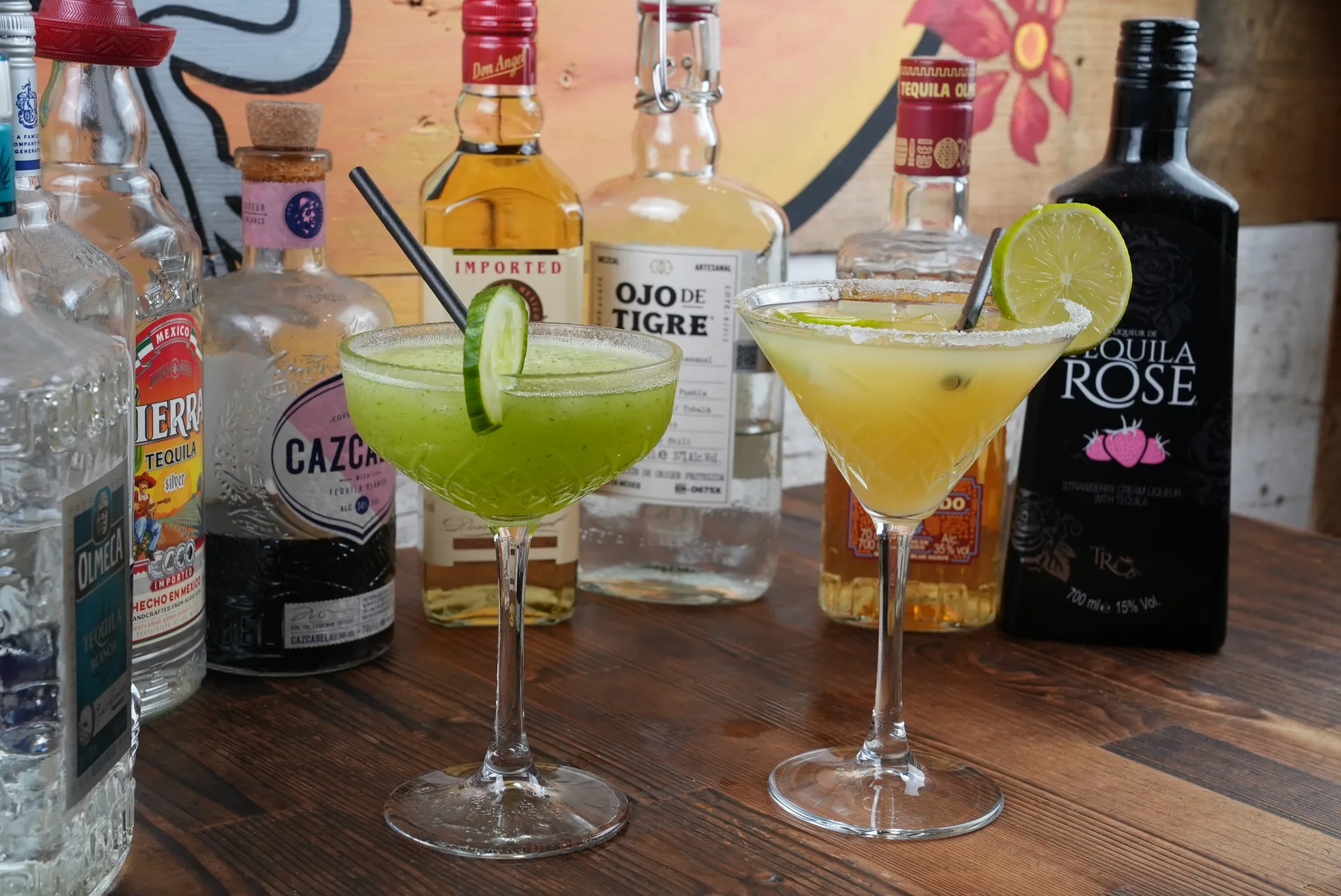
What's on our back bar right now
The mezcal selection rotates every few months as labels go out of stock and new arrivals show up. As of mid-2026, the range covers:
- Three espadín mezcals (entry, mid-range, premium) — for the first sip
- One tobalá — for the second visit
- One tepeztate or madrecuixe (whichever we can get) — for the curious
- One mezcal-based cocktail special, changed monthly
We don't keep the absolutely-rarest bottles open all the time — palmilla, jabalí and similar appear for tasting weeks rather than the everyday menu. If you're a serious agave drinker visiting on a quiet weeknight, ask. We can usually find something interesting.
Frequently asked questions
Is mezcal stronger than tequila?
No — both are typically bottled at 40-50% ABV (38-45% ABV is the legal range). The smoke and intensity in mezcal makes it taste stronger to many drinkers, but the alcohol content is comparable. The bigger difference is in flavour: mezcal is bolder, smokier, more rustic; tequila is cleaner and more uniform.
What's the worm in mezcal about?
A small number of mezcal bottles contain a worm (technically the larva of a moth that lives on the agave plant) — the practice started as a marketing gimmick in the 1950s and is now considered slightly old-fashioned. Most premium mezcals don't include it. The worm doesn't affect the flavour; the sal de gusano (worm salt) served alongside is more relevant — it's a salt-and-spice mix where the worm's role is to add umami depth.
How should I drink mezcal as a beginner?
Sipping, neat, at room temperature, in a small clay copita if you can. Start with an espadín — it's the most accessible variety. Take small sips and let each one sit on the palate for a few seconds before swallowing. Orange slices and sal de gusano are the traditional accompaniments. Avoid mixing with anything sweet on a first taste — give the agave a chance to introduce itself.
Can mezcal be used in cocktails?
Yes — though most premium mezcal is meant for sipping. The most popular mezcal cocktails are the Mezcal Margarita, the Mezcal Negroni and the Oaxacan Old Fashioned. Don't put your most expensive mezcal in a cocktail — pick a workhorse espadín for that. We use a separate, dedicated mezcal for cocktails at the bar.
Do you offer mezcal flights at Frida?
Yes. Our standard flight is three half-shots: an espadín to start, a tobalá or another more complex variety in the middle, and the rarest mezcal we have open that week to finish. Total around £14. The bartender will walk you through each pour. It's the fastest way to understand the category if you're new to it.
Save your table
Frida Camden, 40 Camden High Street, London NW1 0JH. Between Mornington Crescent and Camden Town tube. Open Sun–Thu 10:30–22:00 (last food orders 21:30), Fri–Sat 10:00–23:00 (last food orders 22:30). The bar takes walk-ins; for a full table, reserve in advance. Or call us on +44 207 383 3733.